Soft Skills Gap Hard to Fill
Published March 8, 2019
Every year thousands of recent college grads apply for entry-level jobs around the country. Most will sit for interviews in waiting rooms surrounded by other recent grads – all with essentially the same degree and technical qualifications.
Employers say that colleges are turning out graduates who are technically very competent, and the vast majority of recent grads arrive with the requisite job-specific hard skills they are seeking.
On the flip side, employers steadily report a large gap when it comes to essential workplace skills – so-called soft skills – in those same well-educated and otherwise qualified job seekers.
Dodge City Community College is working to make sure students understand that the hard skills they learn in college will get them the job, but it’s typically the soft skills that will help them keep their job.
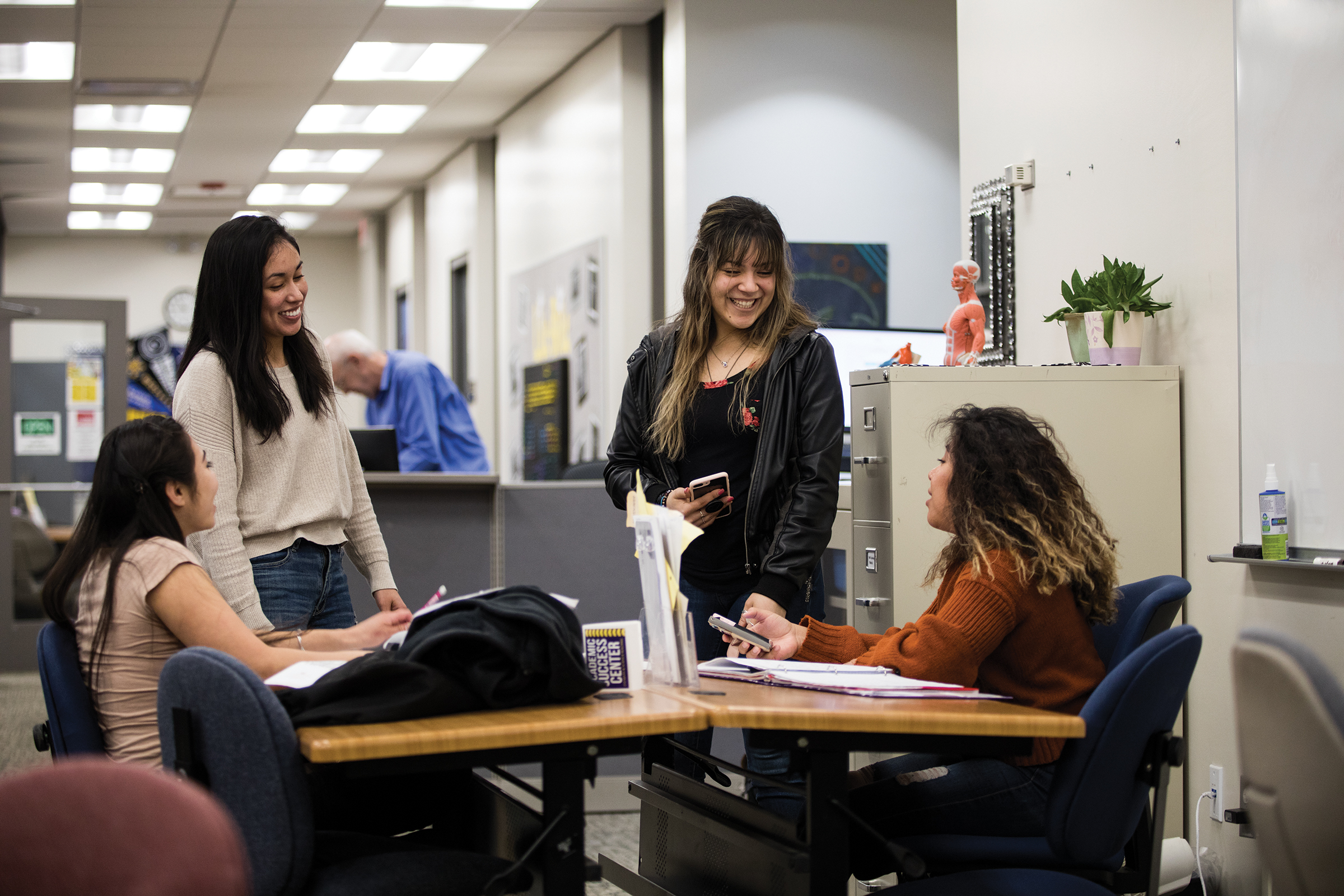
The DC3 Connection Center specializes in transfer and career readiness by providing access to resources and career and transfer guidance. Connection Center staff also coordinate with the Student Achievement Resource Center for Student Success Workshops.
The Student Success Workshops foster soft skills and employability by teaching strategies that enhance learning, critical thinking and problem solving – aimed primarily at academic performance, but quietly developing essential workplace traits that are relevant to any job.
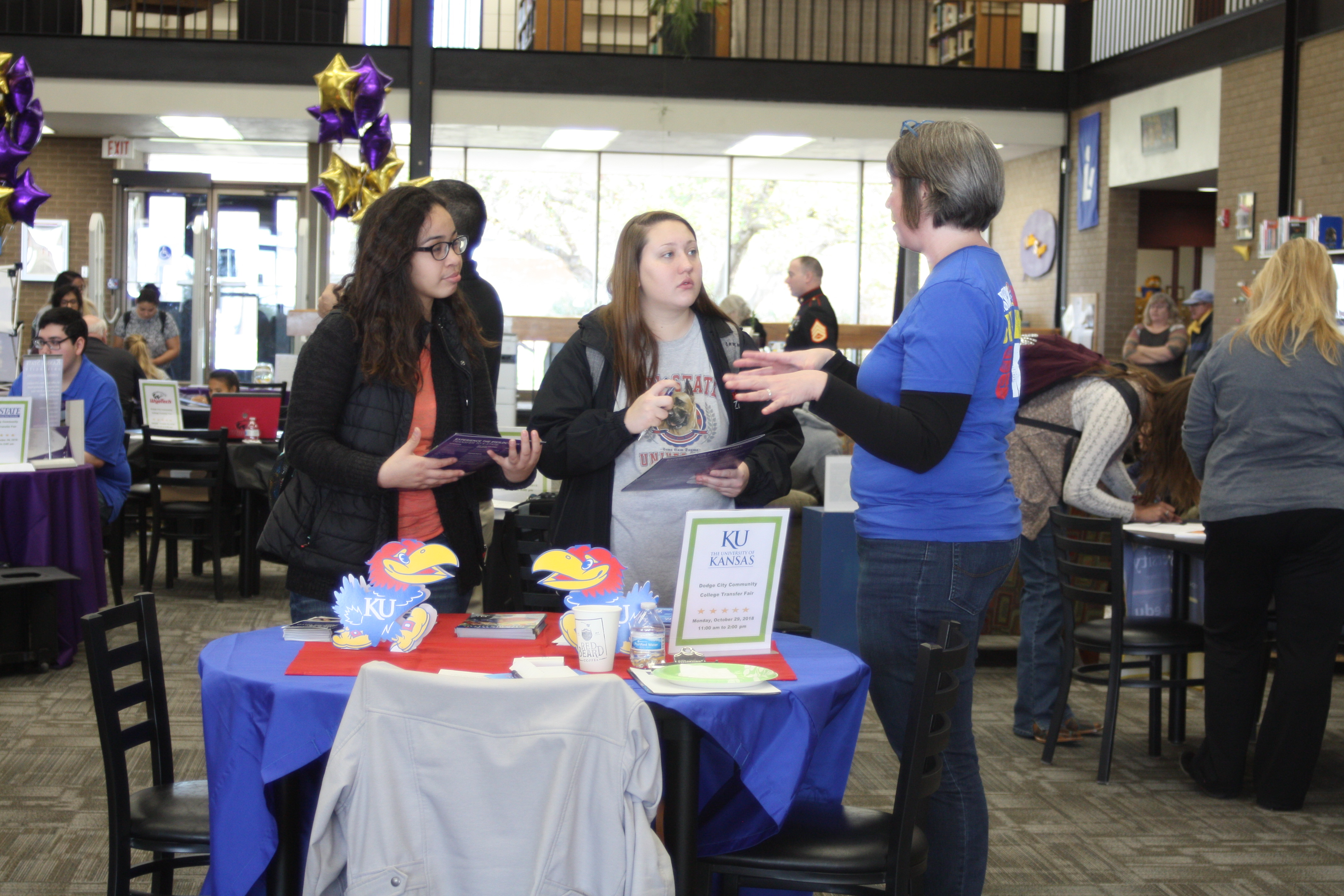
Education and workforce experts debate about how best to develop soft skills in college students, but one refrain is common: students must get involved. Activities beyond the classroom will ultimately increase a job-seeker’s appeal as much as any class because they provide a tangible, active way to develop skills no classroom can teach.
Chloe Wurst, advising specialist for the Connection Center, agrees that extra-curricular or community involvement is key to developing basic skills like communication and networking.
“Students should take advantage of those different opportunities to start building their network,” Wurst said. “It’s no secret that much of the time the person who gets the job is the one who knows the person doing the hiring. That’s only going to happen with networking and communication.”
Wurst said it’s crucial to develop these soft skills long before actual job interviews.
“There are always accounts of recent graduates who meet the educational requirements for a job and get called for interviews,” Wurst said, “but they fall through the cracks during the interview stage. Regardless of their education or training, they may get passed over due to a lack of communication or social skills.”
Even the U.S. Department of Labor advocates for soft skills training beginning at the middle school level with its program “Skills to Pay the Bills: Mastering Soft Skills for Workplace Success.” The basic structure of the program is comprised of modular, hands-on, engaging activities that focus on six key skill areas: communication, enthusiasm and attitude, teamwork, networking, problem solving and critical thinking, and professionalism.

Universal job skills like effective communication, critical thinking, active learning, and adaptability are not specific classes a student can tick off of their degree plan, but without developing those fundamental workplace skills and many others, students are at a distinct disadvantage when they hit the marketplace.
Greg Ruehle, president and CEO of Servi-Tech, said even in the highly technical world of soil science and agri-chemicals, soft skills are the hardest to find in new applicants. Ruehle said that he will often hire someone for their soft skills and then teach them the technical side.
“I find those skills absolutely vital and they can be challenging to find,” he said. “If they have a basic knowledge of agronomy or lab services – with a wonderful personality and desire to be part of a team – we’ll teach them the technical skills because those are the type of people you can work around every day. Those are the type of people a company wants to invest in.”
Human resources professionals say that job performance is increasingly evaluated with as much emphasis on character traits, attitudes and basic people skills as on technical aptitude or knowledge.